A Life of Service The Acs Have Seen the World —and Made It a Better Place
From Camp David to embassies around the world, Frank and Lesley Acs built a life together through decades of service, danger, and a shared sense of duty.
For Frank and Lesley Acs, service has never been just a job. It has been a way of life, taking them around the globe through political upheaval, dangerous assignments, and extraordinary encounters with people from different cultures. Much of their work happened behind the scenes, ensuring embassies could function, personnel could do their jobs, and essential operations continued under difficult circumstances.
Their journeys began on opposite sides of the Atlantic and under very different circumstances. Frank, born in Lorain, Ohio, in 1948, endured a difficult childhood marked by family instability and time in foster care before being raised largely by his Mexican grandmother. Lesley, born in Blairgowrie, Scotland, in December 1947, remembers a more idyllic upbringing. Despite very different upbringings, both found the same calling: government service.
Two paths, one destination: service
He wanted to be an engineer
Frank’s career began to take shape as a teenager, when he spent summers working alongside carpenters, plumbers, electricians, and other tradespeople on construction projects with his stepfather, a civil engineer. He initially envisioned becoming an engineer himself, but as the Vietnam War escalated, he chose another path.
After graduating from high school in 1966, Frank enlisted in the U.S. Navy’s Construction Battalions, known as the Seabees. He trained for deployment to Vietnam, but his orders changed. From 1967 to 1970, he served at Camp David, the presidential retreat, during the Johnson and Nixon administrations.
Vietnam eventually followed, where Frank supervised construction operations, including road projects and the building of reinforced aircraft hangars. He remembers stopping at Wake Island during the flight and visiting the beach where Marines had fought Japanese forces during World War II. Knowing that combat was his next destination made the experience particularly unsettling. “Flying to Vietnam,” he recounts, “we had to stop at Wake Island to refuel. I went down to the beach where the Marines stood against the Japanese when they overran the island, and it was one of the most eerie feelings I've ever had, knowing that my next stop was combat.”
She wanted to see the world
Lesley’s interest in overseas life began with her father, who served in the merchant navy. His letters from distant places introduced her to a world she wanted to explore. “I wanted to see as much of the world as I could,” she recalls. That desire to experience different places and cultures led her to the British Foreign Service. Her first overseas assignment was Kuala Lumpur, Malaysia, where she arrived after a six-week ship voyage because the Suez Canal was closed.
Almost immediately, she experienced the challenges of international service. Ethnic violence erupted in the city, and embassy staff helped organize emergency assistance. Lesley prepared food for ambulance drivers and helped pack supplies for refugees in the midday heat. It was a dramatic introduction to diplomatic work and a reminder that serving overseas could mean much more than experiencing new places.
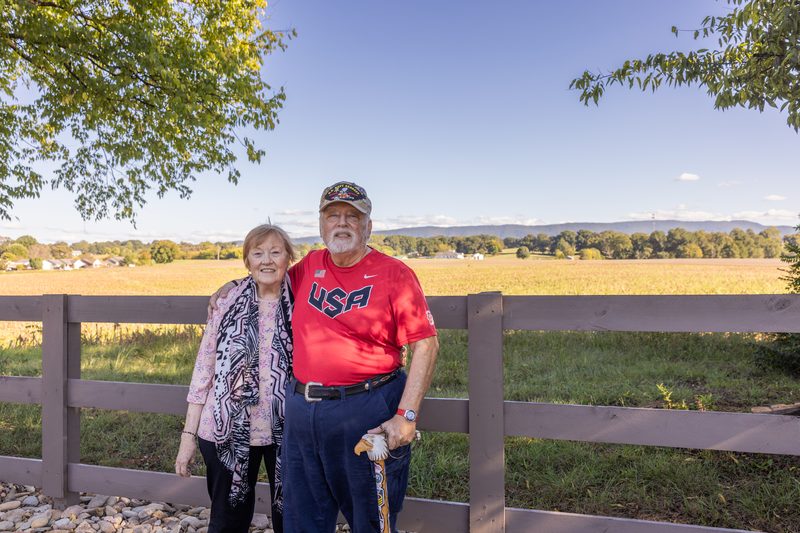
Her subsequent assignments included Santiago, Chile; Canberra, Australia; Moscow during the Cold War; and Belfast, Northern Ireland during the Troubles. Each brought a different culture, political climate, and set of responsibilities that often put her directly in harm’s way.
Keeping the embassies running
After his Navy service, Frank’s construction experience led to a position with the U.S. Department of State. He had served as a Navy construction specialist in Budapest, Hungary, and officials recognized that his skills could help maintain, or even reconstruct, American diplomatic facilities overseas. Before his Budapest assignment, his master chief asked him if he knew where Budapest was. “My jaw dropped,” Frank recalls. “And the chief asks, ‘Is there a problem?’ I said, ‘No, but you realize what my last name is? It’s Hungarian. My grandparents were born in Budapest.’ He says, ‘Is this going to be a problem for you?’ I said, ‘Absolutely not.’”
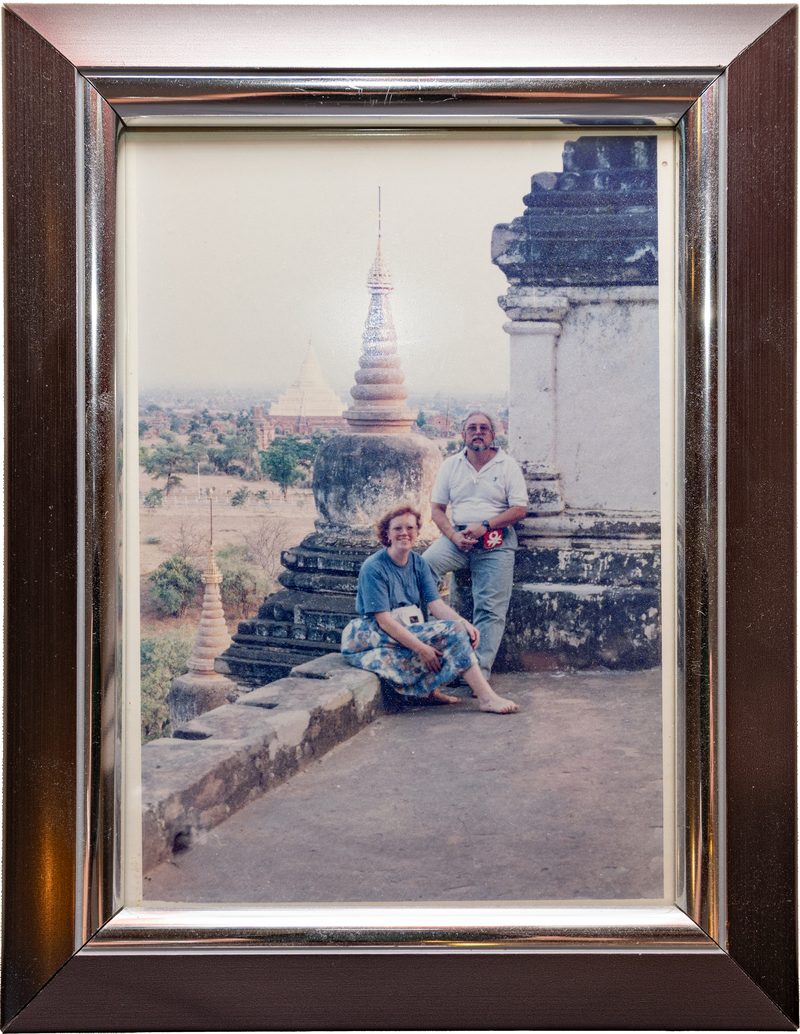
Frank joined a new program focused on embassy buildings and grounds maintenance—the Naval Support Unit—becoming one of its early participants. It was work that took him back to Budapest, later to Burma, and then to Lagos, Nigeria.
This was the nature of Frank’s work throughout his career. While diplomats conducted negotiations and represented American interests, someone had to ensure the buildings, utilities and facilities supporting those activities remained operational; that electricity was reliable and clean water was available. Frank was often the person responsible for making that happen, even when resources were limited or conditions were unpredictable…or dangerous; oftentimes reopening embassies that had been destroyed.
“It was a dangerous time.”
When Frank talks of the couple’s experiences he’ll often say, “it was a dangerous time.” And it often was. Frank and Lesley’s assignments extended well beyond the routine. Both experienced postings where political instability, violence, and security threats were part of daily life.
For instance, Frank served in Pakistan during the Afghan-Soviet War. He went to Moscow after a fire severely damaged the American embassy and worked in Belgrade following NATO’s bombing campaign, when embassy facilities and housing arrangements had been disrupted. He also traveled to Kabul, Afghanistan, to help reopen and rebuild the American embassy. Years later, even after retirement, the State Department called him back because it struggled to find personnel willing to return to the dangerous environment. After going back to Kabul, he received another request to serve in Khartoum, Sudan. By then, he had decided he had taken enough risks. “Vietnam, Afghanistan twice, Pakistan during the Afghan-Russian war, Moscow and Belgrade after the bombings… I was done pushing my luck,” he says.
Despite the danger, Frank’s memories are also filled with gratitude for the people who protected him. In Kabul, after a rocket attack, he was preparing to go out and help repair the damage when a young Marine asked where his protective vest was. Frank had none. He was wearing a T-shirt, shorts and tennis shoes, carrying only a flashlight and a multitool. The Marine put an arm around his shoulder and reassured him: “Don’t worry, we got your back.” The moment brought Frank to tears. “I owe them my life,” he said of the Marines who protected him during his years of service.
Lesley also experienced how quickly an ordinary workday could turn dangerous. During their time in Moscow, a rocket-propelled grenade struck the American embassy’s communications center. Her office was nearby, and the blast shattered glass in surrounding offices. Overhead electrical cables deflected the rocket’s trajectory, narrowly sparing her office. Such experiences reinforced the importance of teamwork and the trust they placed in the people working beside them.
A partnership built on a shared commitment
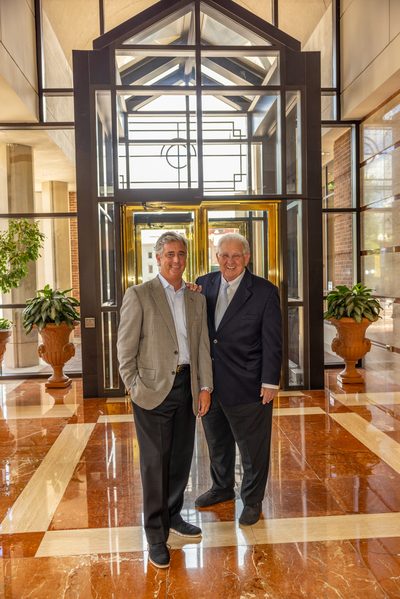
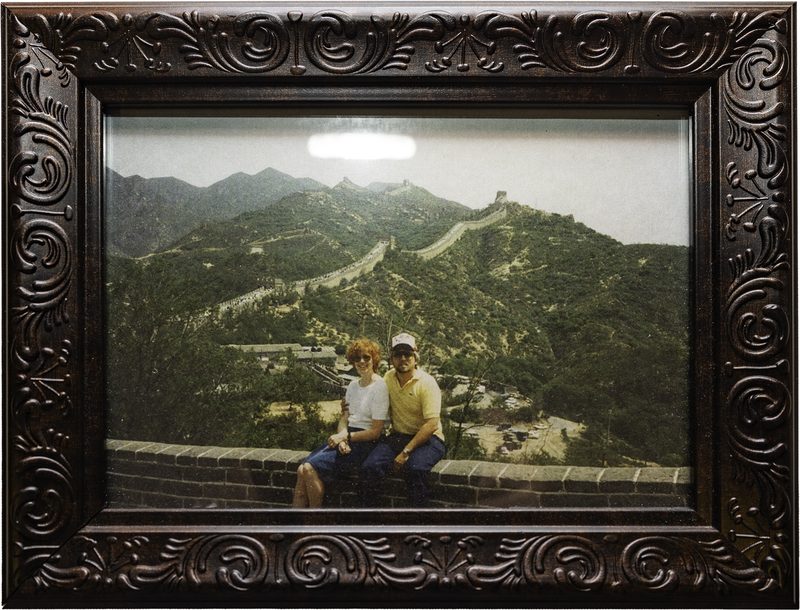
Frank and Lesley met in Lagos in the early 1980s, when he was serving with the State Department and she had arrived for an assignment with the British Foreign Service. Their careers took them to Bangkok, Beijing, Pakistan, Budapest, Burma (now Myanmar), Moscow, and Berlin.
In Berlin, Frank faced the considerable task of helping close American embassy operations in Bonn and establish them in the newly designated German capital. His responsibilities included facilities, housing and embassy operations across Germany. Lesley worked in the political section and helped transfer classified materials from Bonn to Berlin.
The work could be exhausting and unpredictable, but the couple shared an understanding of what their careers demanded. Neither had to explain why professional responsibilities sometimes took priority or why an assignment could bring sudden changes to their lives. Frank credits that understanding with helping their relationship endure. Frank credits Lesley’s experience in the same world with her understanding of why he had to go when duty called.
Frank and Lesley have lived in Maryville since 2017. Their life today, with 40 years of marriage behind them, is a long way from the uncertainty that defined their working years. But the experiences they carry with them remain central to how they see the world. Service, for them, was never simply about going where they were sent. It was about showing up, doing the work, caring for the people around them, and finding a way forward… together.